A landscape of vital importance
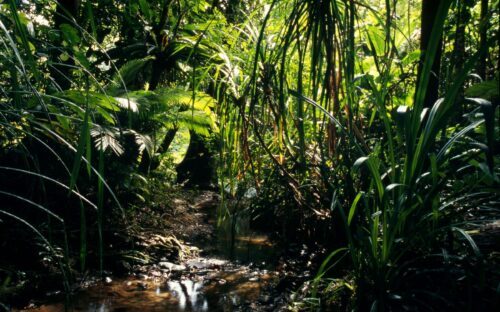
Central Kalimantan, Indonesia is home to some of Southeast Asia’s most biologically rich forests, where dense canopies, meandering rivers, and diverse plant and animal life support a complex and fragile ecosystem which is also an essential Orang Utan habitat. Here in the forests of Tumbang Habangoi and Sei Antai, WWF is working with local communities on forest restoration and rattan production to unlock economic incentives for sustained improvement in forest cover. Rattan is also a product that WWF’s partner company H&M Group uses in their products and therefore between 2023 and 2025 our partnership invested in a forest restoration project across 350 hectares in these villages to contribute to nature restoration, new production areas for rattan and community development.
This project builds on work WWF-Indonesia have been doing across more than 4000 hectares in the Central Kalimantan landscape with local partners for over two decades. The efforts in the region have focused on various environmental conservation initiatives, including forest management, wildlife conservation, and economic development initiatives to balance ecological preservation with community development.

Why Rattan?
Rattan as a product represents an opportunity to unlock synergies between natural forest protection and restoration and economic opportunity development for local communities. As a climbing palm that grows within tropical forests, rattan’s survival depends on a healthy, standing forest — giving local communities a direct economic incentive to protect rather than clear the land. Unlike timber, rattan is fast-growing and can be harvested without damaging the surrounding ecosystem, making it one of the most renewable forest resources available.
From the H&M Group perspective, rattan is a comparatively small input material in their broad product range. However, it is a material that can be produced while incentivizing forest protection and restoration. Increasing the available supply of a H&M Group related product creates an opportunity that is interesting for both partners as well as local communities.
While H&M Group’s direct commodity footprint is addressed through engagements in regions like India and South Africa, their investment in Indonesia reflects the country’s outsized global importance for climate and biodiversity. With deforestation driven by commodities like palm oil, timber and pulp & paper affecting ecosystems far beyond any single supply chain, investing here is about contributing to systemic, landscape-level change that benefits people and nature and secures the remaining forest.
Drivers of forest degradation
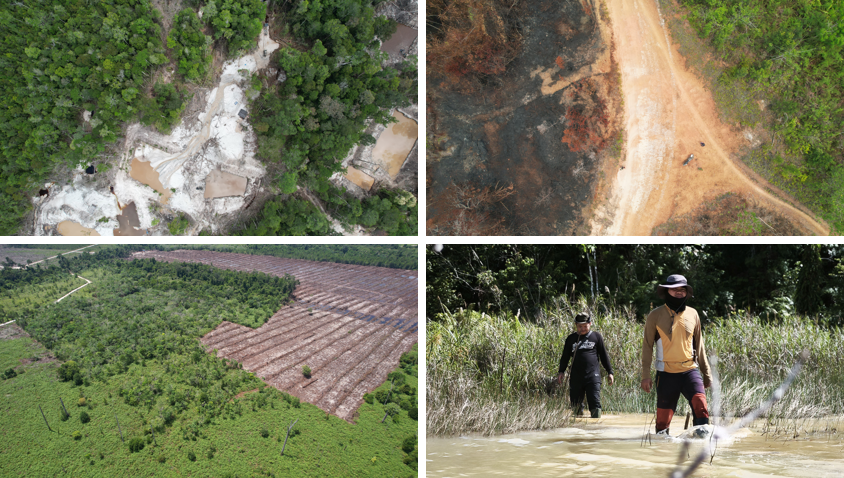
The Central Kalimantan landscape has faced severe threats over the years— forest degradation, land conversion, mining, and recurring floods and forest fires are amongst the main challenges breaking the connections between forest areas and placing growing pressure on wildlife and the communities that depend on the forest.
The Stewards who speak for the forest
Local communities are more aware than ever of their close relationship and dependence on the forest and their role as stewards. Yetro, a local teacher in the community explains “forests breathe life into our world, and it is the hands of local communities that guard these lungs of the Earth—protecting oxygen, protecting our future.”
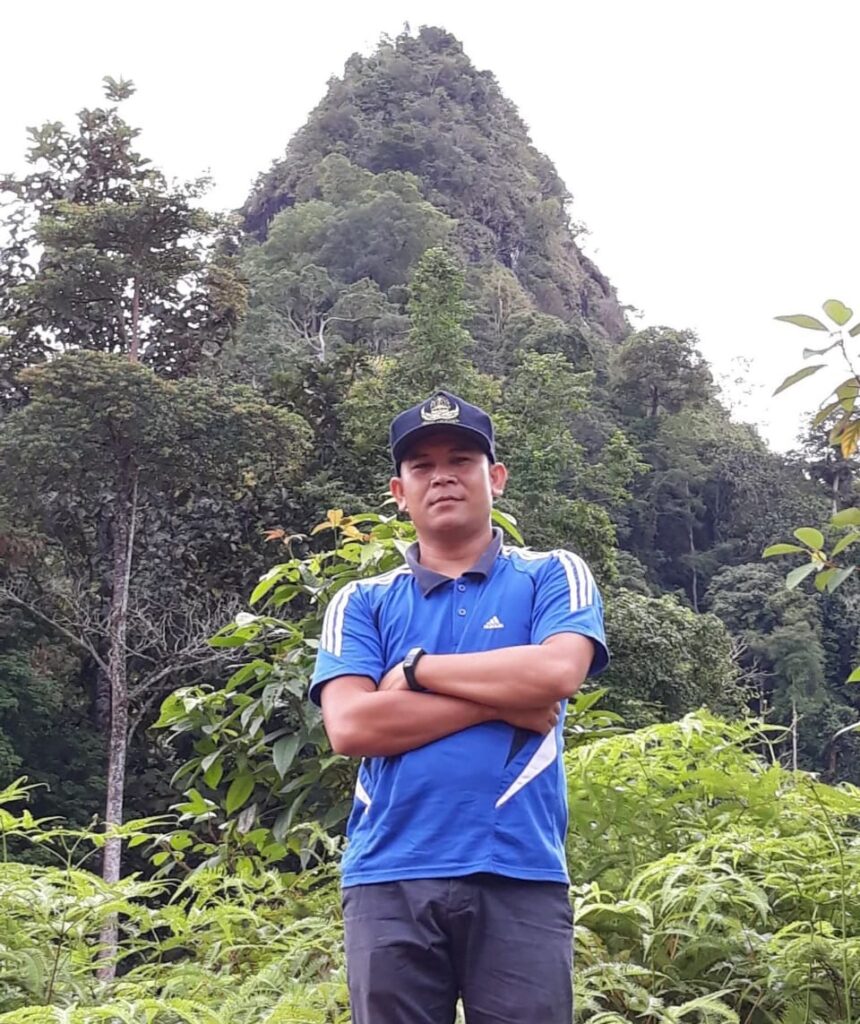
Idae, a group leader in the (LPHD) community who has lived in Habangoi village for over 61 years reflects, “When floods strike more often, they warn us of the fragile balance we’ve disrupted. So protecting our landscape today is the only way to safeguard tomorrow”
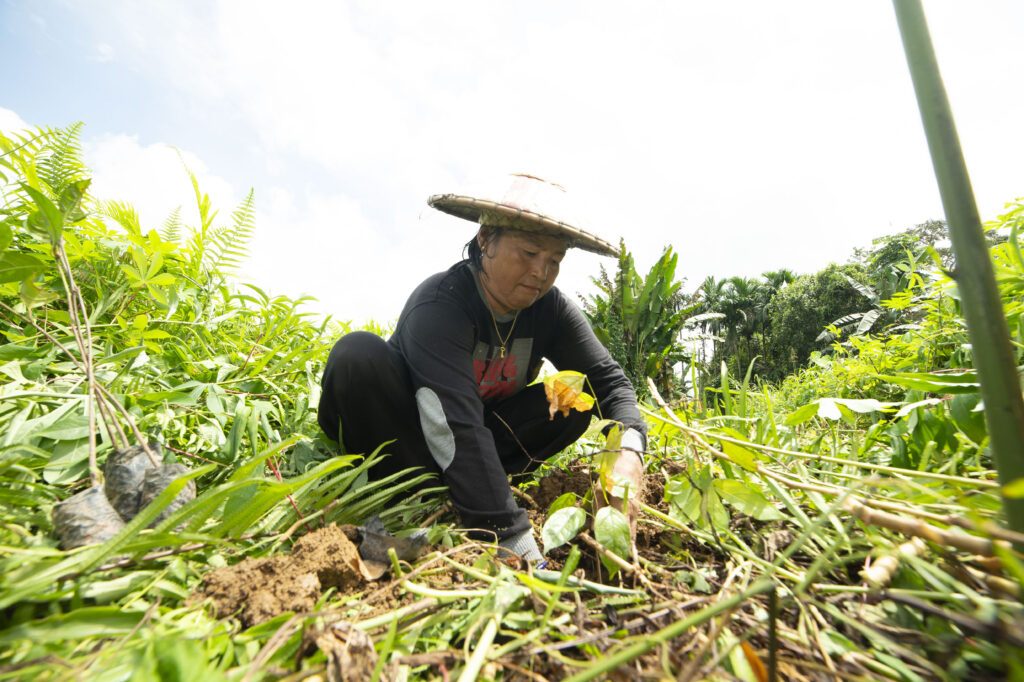
Perspectives like the ones from Yetro and Idae demonstrate the immense potential of combining conservation work with local community engagement and development and creating connections to global value chains for products that can be sourced from natural forests without converting the habitat.
Working with community members that recognise the need to protect and restore their forests is the cornerstone of the H&M Group and WWF partnership project in Habangoi and Sei Antai. After careful engagement and planning with them, the project supported the key activities of community self-seeding and tree nurseries, forest enrichment planting and agroforestry as well as establishing rattan planting and harvesting practices in the Habangoi community to sustain the rattan growing stock.
The growing, and carefully planned harvesting of rattan within natural forests creates business opportunities for local communities that incentivizes them to contribute to restoring and protecting the forests around the village. While these may sound like simple actions, Sumarna who is the head of Forest Management Unit for Katingan Hulu asserts, ”our efforts go beyond planting trees—they restore degraded forests, enrich ecosystems, and empower communities through sustainable rattan markets. Despite challenges like land conversion, deforestation, and annual fire threats, progress continues: (In Habangoi) 150 hectares of Village Forest have been planted, with half the seedlings provided by the community itself. Together with WWF and local partners, we are not only rebuilding forests but also connecting farmers to markets.”
In Habangoi village, WWF, supported by H&M Group partnership funding, collaborated with 160 households to establish agroforestry plots on completely deforested land and to conduct forest enrichment planting in areas where tree cover was 30-70% below natural levels. More than 8 000 seedlings were grown by local community members in their own gardens. These were then combined with seedlings from other sources in a local community nursery established through this project. After acclimatization in the local nursery a total of over 15 000 seedlings were then planted into the forest and agroforestry plots around Habangoi village based on a planting plan that was developed with the community. The trees planted include a mix of trees that provide fruits for people and wildlife, rattans and endemic trees.
Krismila, a rattan farmer in the Habangoi community who has been living in the area for 10 years comments “what makes this initiative truly remarkable is the spirit of unity it creates—a powerful sense of community cooperation that drives change”. When asked what she sees as the main benefits of partaking in this project, she answers “for the continuity of life”.
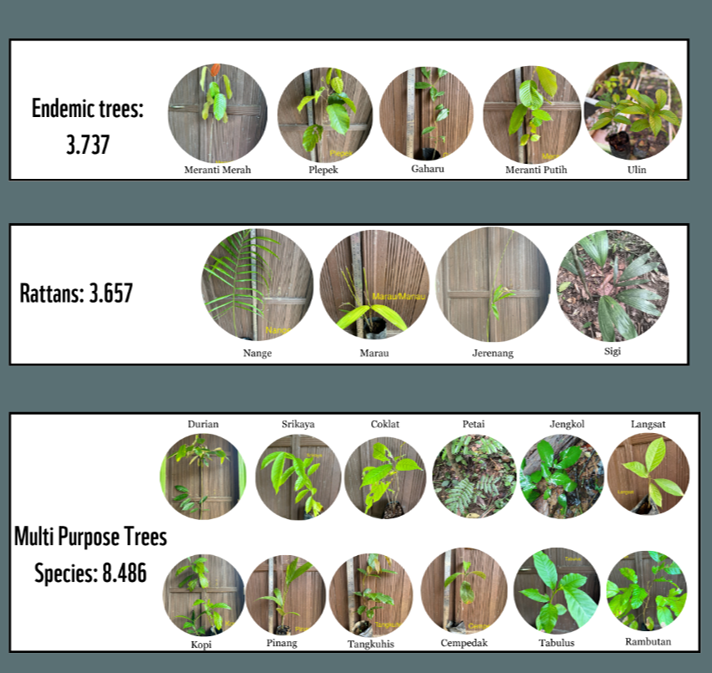

Idae shares some thoughts specifically on the rattan planting activities “Through the planting process, we’ve gained valuable insights into ideal and productive planting distances—knowledge that will guide future planting activities.”
Yetro, the local community teacher adds some overall reflections of the activities, “ The rattan program is impactful, tapping into Tumbang Habangoi Village’s immense potential. Meanwhile the community-led seedling program- where locals prepare seedlings purchased by WWF-stands as an inspiring effort that generates additional income for Habangoi’s people. ”
He continues, “In the final year of the project we also managed to successfully secure FSC rattan certification for a portion of the Habangoi village area, This allowed local community members to sustainably harvest and sell 12 tons of rattan through a market connection to the Association of Katingan Rattan Farmers as part of a long-term supply agreement that has been negotiated.”
The benefits of this work in Habangoi village are clear: increased income, improved forest management knowledge, and 150 hectares of critical forest habitat where new seedlings are now growing to restore the forest to a richer state.
In addition to the work with Habangoi village the project also worked with Sei Antai village on forest restoration and enrichment across 160 hectares and with local government to establish a seed garden on 40 hectares of former forestry land in ex-PT Pundiwana. In total over 53 000 seedlings were planted through the project with measured survival rates of more than 90% in all planted areas by the end of the project. A stock of 3 500 seedlings have also been left in the nurseries as a reserve for ongoing replacement of any plants that do not survive in the coming months.
Lessons Learned throughout the Project
From planning through implementation, the forest restoration project offered clear lessons. For example, after three months, data was collected on planted seedlings in Sei Antai village indicating an 88% survival rate. This was discussed with the community and it was agreed to replant several areas with the species that proved more resilient in this context. Follow up monitoring indicated the survival rate increased to 91%. Ansar S. Hut, M. SI, who is the head of the land rehabilitation division at the Central Kalimantan Provincial Forestry Agency comments “High-quality seeds are essential, and strengthening upstream efforts through seed gardens is a priority.”
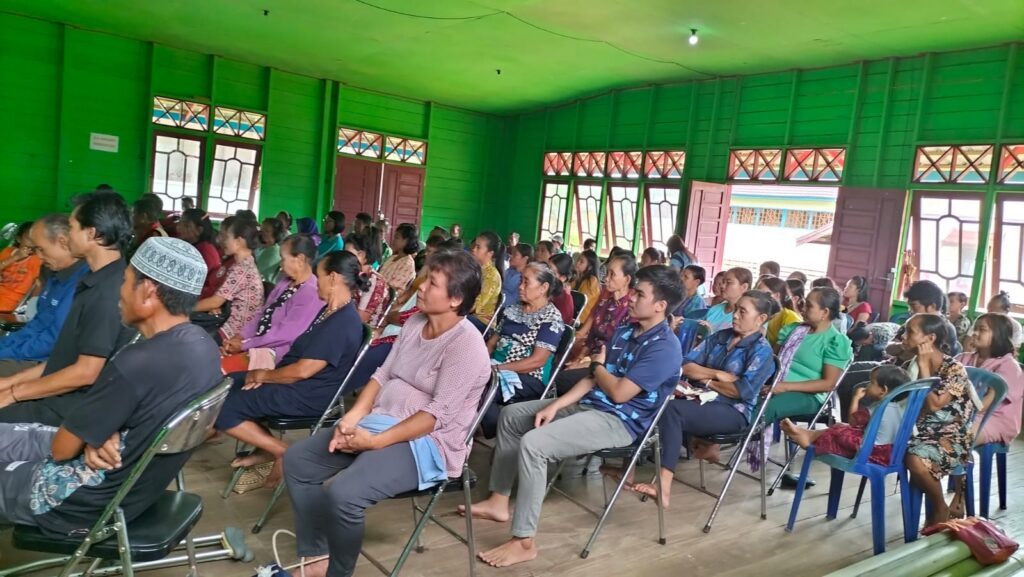
The project also emphasized how essential community engagement is. Most of the first year of the project was spent in careful and transparent community engagement to agree on planting plans, including which species to be used. This is time-consuming but well worth it. When the external support provided by the WWF and H&M Group partnership ended in 2025 it was essential that these communities needed to feel ownership of the planted seedlings and see the value of maintaining the work that has been done.
Early engagement and flexibility are essential for keeping such partnership projects between WWF, companies like H&M Group and local partners on track. For example, initial surveys indicated a much larger reforestation potential in Habangoi village when the project proposal was developed. After the project was approved and on-the-ground work started, it became clear that the full area target could not be delivered credibly in the Habangoi village area. The forest in some areas was more intact than initial surveys indicated. WWF and H&M Group as project partners then had to agree to add Sei Antai village to the project scope so that the agreed total planted area could be delivered.
These experiences underscored the importance of early and sustained community involvement, realistic timelines for securing approvals, and the flexibility to adapt when conditions on the ground change or are different than expected.
Community involvement fostered a deeper understanding of the role healthy forests play in supporting wildlife conservation and livelihoods. As the forest recovers, it will serve as a thriving habitat for biodiversity while being a valuable source of food and livelihoods for local people.
Partnerships with local government further strengthen the project’s long-term impact. Even after the project ended, ongoing support and monitoring from the local government helps to ensure that the restoration efforts are maintained. By integrating these restoration activities into local strategies for flood prevention, forest fire, and forest conservation, the project contributed to the broader goal of safeguarding Kalimantan’s tropical forests while building more resilient communities and landscapes for the future.
A shared vision for tomorrow
From local farmers to provincial leaders, the message is clear: collaboration works. By combining traditional knowledge, modern techniques, and community spirit, these programs are not just planting trees—they are planting hope, resilience, and a better future for generations to come.