New national park declaration marks a key milestone in the Eastern Cape grasslands area, where WWF and H&M Group are partnering in a project to support farmers with grassland stewardship
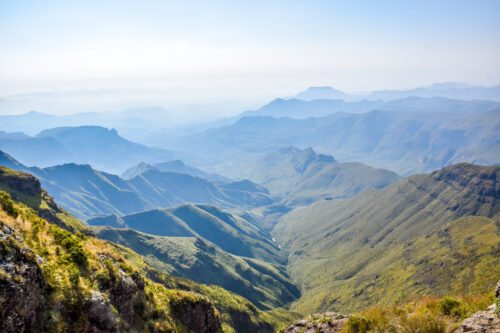
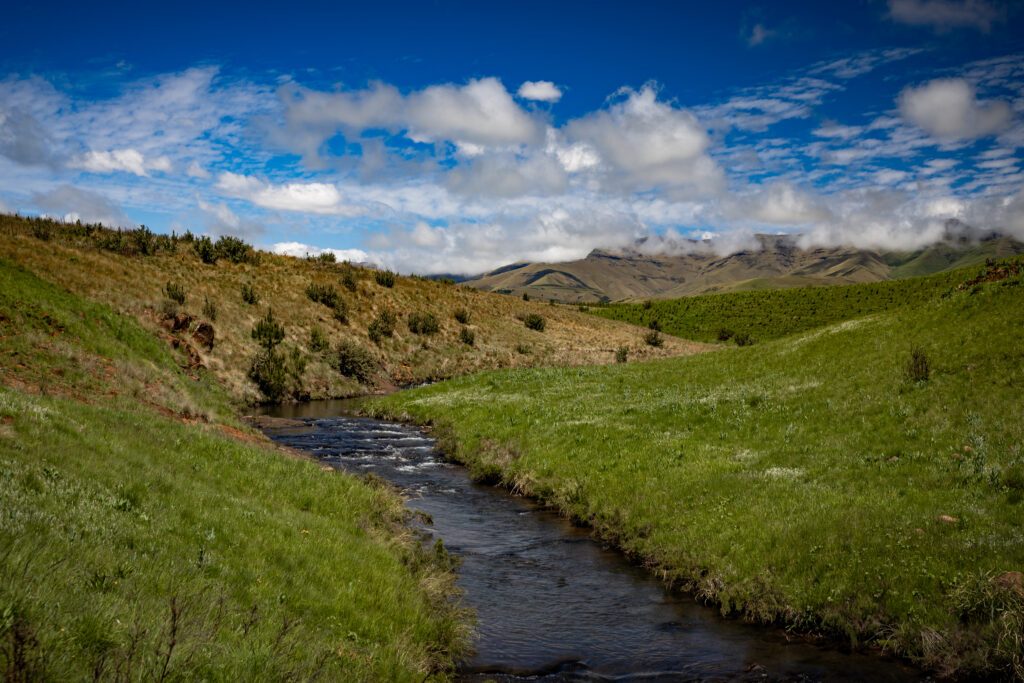
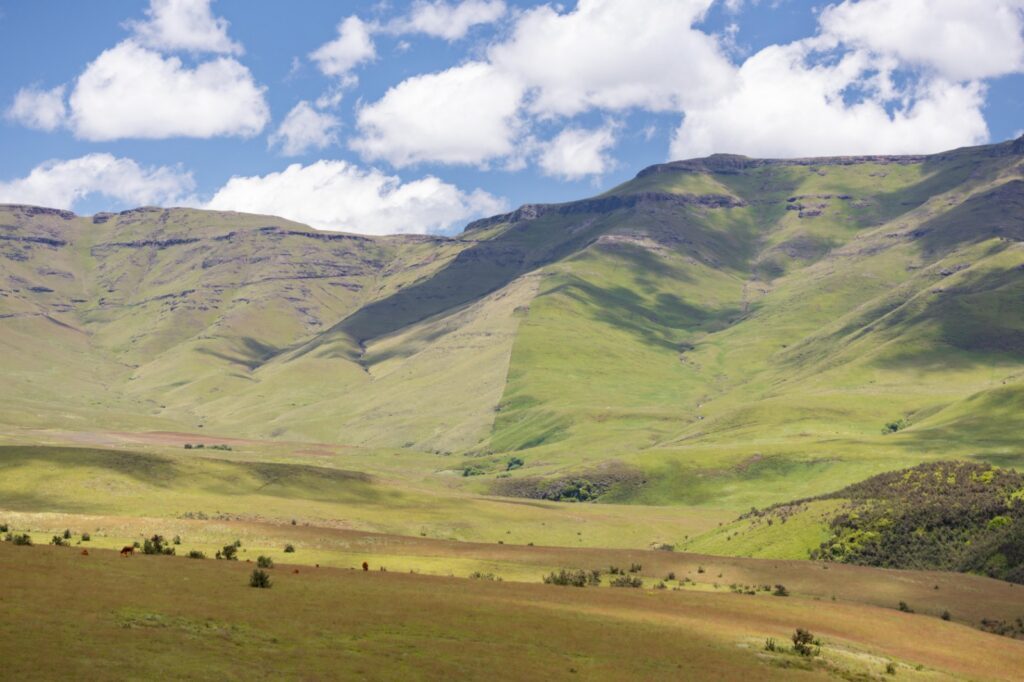
In a remote mountainous landscape of South Africa at altitudes of 2 500 meters and higher, lies the Eastern Cape Drakensberg Grasslands. In 2021, WWF and H&M Group started a partnership project, working with commercial and communal sheep farmers in and around the area earmarked for the new grasslands national park.
The project promotes sheep grazing practices that promote healthy, diverse grasslands, climate resilience planning and securing habitats across over 12,000 hectares of the poorly protected Grassland Biome and one of the only twenty-two of South Africa’s strategic water source areas. This region is not only important for wool production and rural livelihoods but also remains a key habitat for antelope, birds, and other vital flora and fauna. Now, after years of collaborative effort, another major milestone has been reached, the declaration and establishment of The Grassland National Park.
10 000 hectares and more to come
The first declaration covers 10,266 hectares, 2 496 ha’s of which is from land where WWF and H&M Group’s wool project has been active. South African National Parks (SANParks), supported by WWF and multiple other partners has the ambition to expand the declared area for the national park to 30,000 hectares over the next few years, forming the core of an even wider inclusive landscape approach.
WWF and H&M Group have recently renewed our partnership in this landscape aiming to bring 20 000 hectares into our joint project through conservation management plans with willing farmers. Some of this expanded area will eventually be incorporated into the park if farmers agree to participate to that extent.
The rest will be under conservation management plans that include grazing management plans to improve the condition of the grassland. Securing the diversity of the grasslands where farmers graze their sheep contributes to the buffer areas around the park and wildlife movement areas that help the park to protect this unique habitat. Grassland condition is monitored through Veld Condition Assessments conducted every 3 years.
The Significance of this Milestone
This park is the first in South Africa to be established primarily through a biodiversity stewardship model, involving joint collaboration between government, NGOs, landowners, and communities with donor partners like H&M Group and others making important contributions.
Biodiversity stewardship is a model whereby landowners (whether individual or communal) retain ownership and management of their land but commit to conservation management plans through voluntary participation. These plans allow for continued grazing but ensure that grazing practices consider long-term grassland health and that the grasslands are not transformed for other purposes. This is an exciting conservation model that delivers on multiple fronts.
The Broader Picture
The new park will conserve critical biodiversity areas and the Eastern Cape Strategic Water source area. within the under-protected Grassland Biome through an inclusive conservation model. This park also aligns with SANParks’ (the organizational body responsible for managing South Africa’s network of national parks) Vision 2040 and will be an important milestone towards achieving South Africa’s Global Biodiversity Framework 30×30 goals.
Moreover, while wool represents a small portion of H&M Group’s raw material it is a commodity that can have a significant impact through land degradation. When H&M Group recently announced science-based targets for land, independently validated by the Science Based Targets Network (SBTN), wool was one of the commodities in scope. As a result, this South Africa landscape project forms part of H&M Group’s broader approach to supporting its land-related science-based targets.
And finally, farmers will continue to be able to graze their animals and use the land productively to produce the food and materials that businesses and consumers rely on.
These factors combined make this national park and the surrounding landscape a rare and powerful example of a future where nature and people (including our economies) can flourish together.
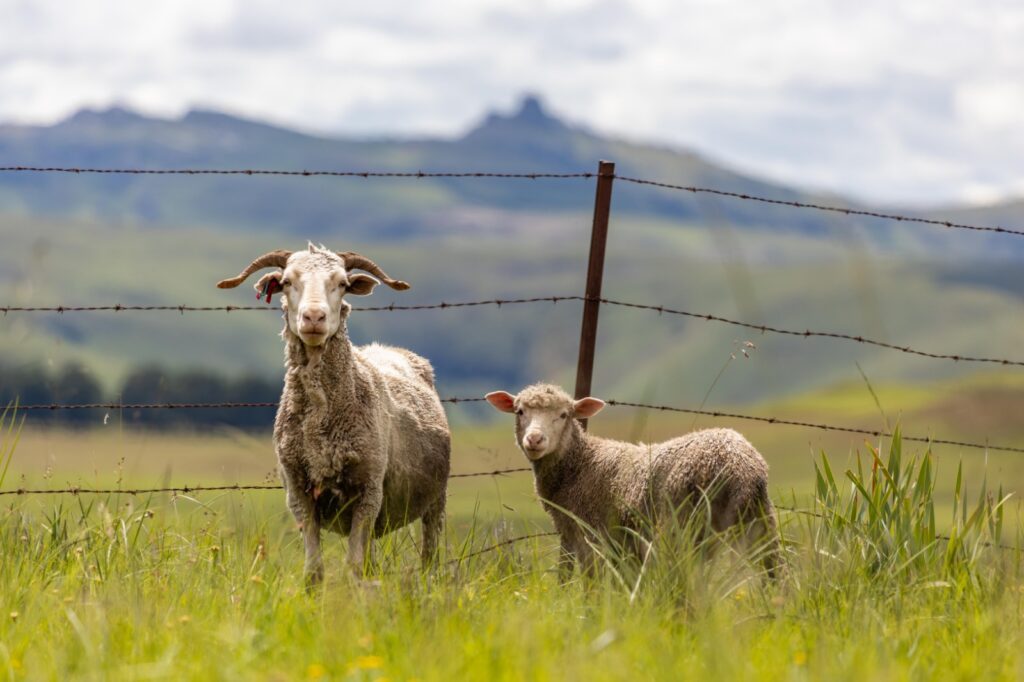
“I see biodiversity and productivity as one and the same thing. The WWF and H&M Group project are helping us to achieve those standards through alien clearing…(and)… identifying areas of land that are susceptible to erosion and areas of land that need special attention”
– Ryan Sephton, a sheep farmer in the Eastern Cape Drakensberg and one of the farmers that have included a part of their land in the National Park declaration
Key activities and results of the WWF and H&M Group partnership project
Some of the key achievements between 2021-2026 of the WWF and H&M Group Partnership include:
- Roughly 12,200 hectares of grazing land secured under conservation agreements*
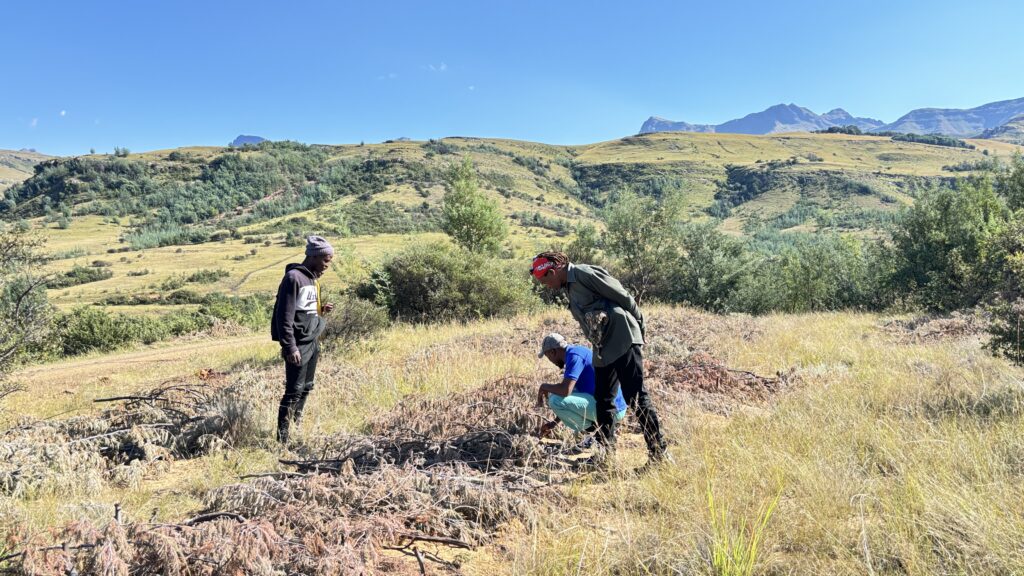
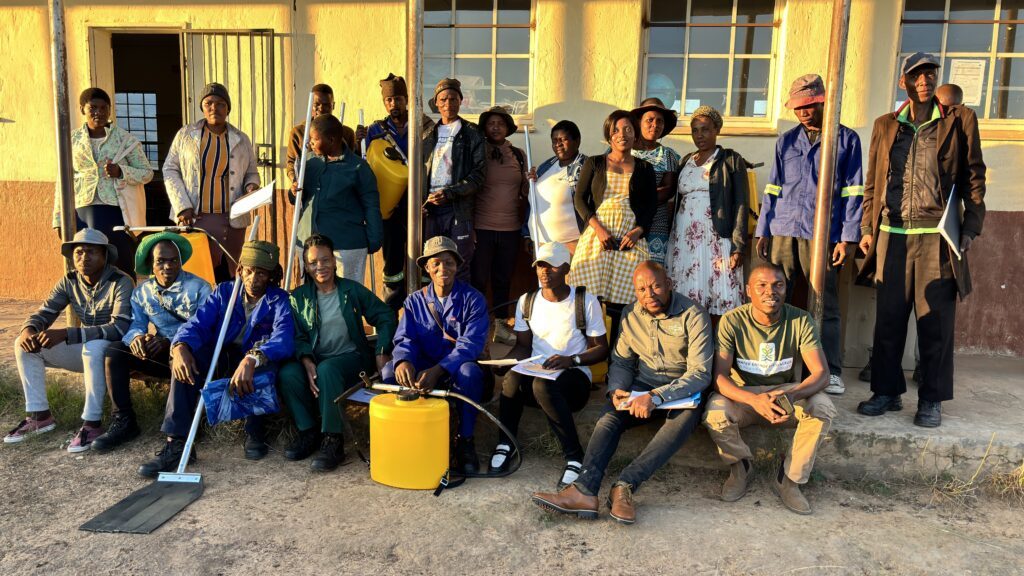
- More than 110 cumulative hectares of invasive plants have been cleared and maintained to prevent regrowth (July 2025 value). These are areas and river systems most threatened by invasive plants that have been mapped out together with farmers and a local team has been established to then clear these areas.
- 389 community members supported in organizing themselves into three rangeland management associations for collective grazing planning and improved governance of their shared grazing land.
- 5,039 sheep vaccinated (July 2025 value)
- Trainings and Workshops held on fire management; herbicide applicators; de-worming programmes for animals; vaccination programmes and animal disease awareness as well as human-wildlife conflict management.
- Water monitoring studies conducted as part of long-term impact monitoring.
*Not all of the areas mentioned above are included in the first phase of the national park declaration.
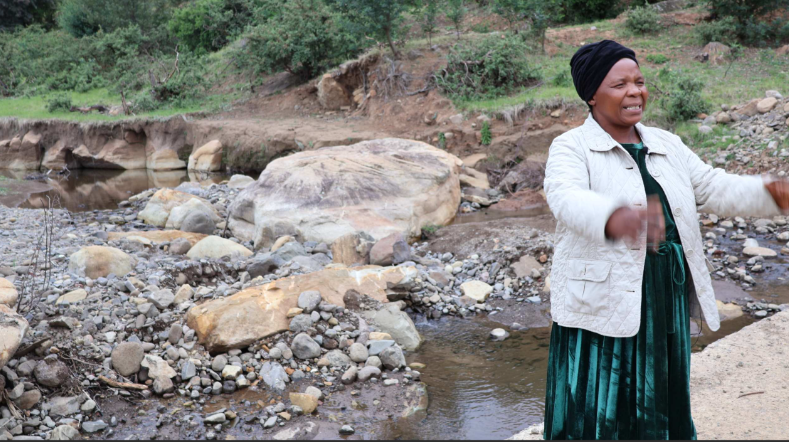
“I am so happy and grateful! Now we have a rangeland association, our sheep get vaccinations, we are encouraged to fight and manage fires and to rest our veld. If it wasn’t for WWF and partners, this wouldn’t have happened.”
-Nothobinceba Phythela, local pastor and farmer-member of one of the rangeland management associations in the project
Working together on conservation
While H&M Group only sources Responsible Wool Standard (RWS) certified wool, they are working through this project to also support farmers that are not yet certified. This is an essential prerequisite from a landscape perspective as all the diverse farmers that are part of this landscape need to work together to secure the future of these grasslands. When all the different communities see examples of people like themselves successfully farming with nature they feel empowered as stewards, wildlife movement corridors across areas owned by different farmers connect ecosystems, and conservation becomes self-sustaining.
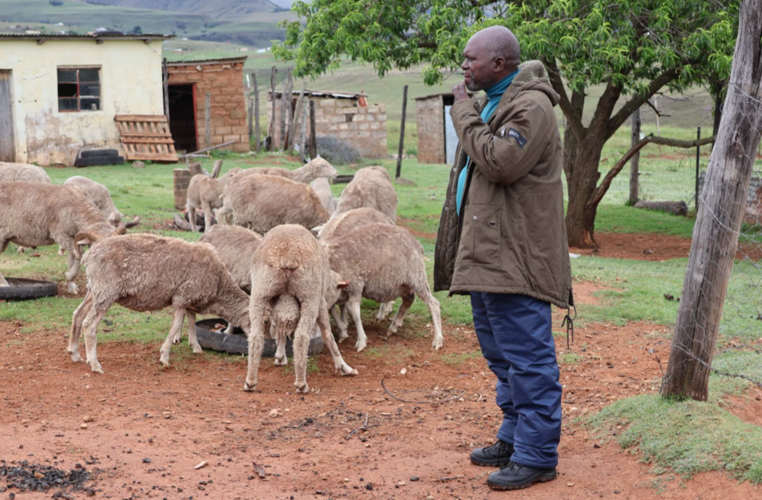
The partnership project has a carefully balanced approach to supporting farmers at different stages of their sustainability journey and with different backgrounds, including farmers grazing their animals on shared communal land and small to large scale commercial farmers who own their own grazing land.
“Both young and old, as well as men and women, are now planning and making decisions together. Something that didn’t occur before this project started.”
-Lekhotso Simon Taona, a communal sheep farmer in Tlokoeng
Seeds of what’s next
This initiative is an example of how inclusive partnerships can drive large-scale conservation efforts for people and nature. The park will set a precedent for future conservation efforts, showing how improved land management and conservation can co-exist within an agricultural production landscape.